Indian politics news circles and digital media platforms are currently buzzing with a story that has caught the entire nation by surprise. In a massive display of humanitarian solidarity, the regions of Kashmir and Ladakh have mobilized an extraordinary fundraising campaign to support the people of Iran. Over the course of just one month: spanning March and April 2026: this grassroots movement has reportedly collected over ₹600 crore in donations.
What makes this story stand out in the current Indian politics news landscape isn't just the sheer volume of money, but the unconventional nature of the contributions. From ancestral land deeds to wedding jewelry and even livestock, the people of the valley have opened their hearts and homes in a way rarely seen in modern history. At Coolblogs, we believe in digging deeper into these viral moments to understand the "why" behind the "what."
Trending: The Scale of the ₹600 Crore Campaign
The momentum of this drive has been nothing short of a "Jan Andolan" (People's Movement). While international aid usually flows through structured NGOs or government channels, this campaign was largely community-led and door-to-door.
- Total Amount Collected: Over ₹600 Crore (and counting).
- Timeframe: Approximately 30 days.
- Key Regions: Srinagar, Budgam, Baramulla, Bandipora, and parts of Ladakh.
- Methodology: Community centers, local mosques, and mobile collection units.
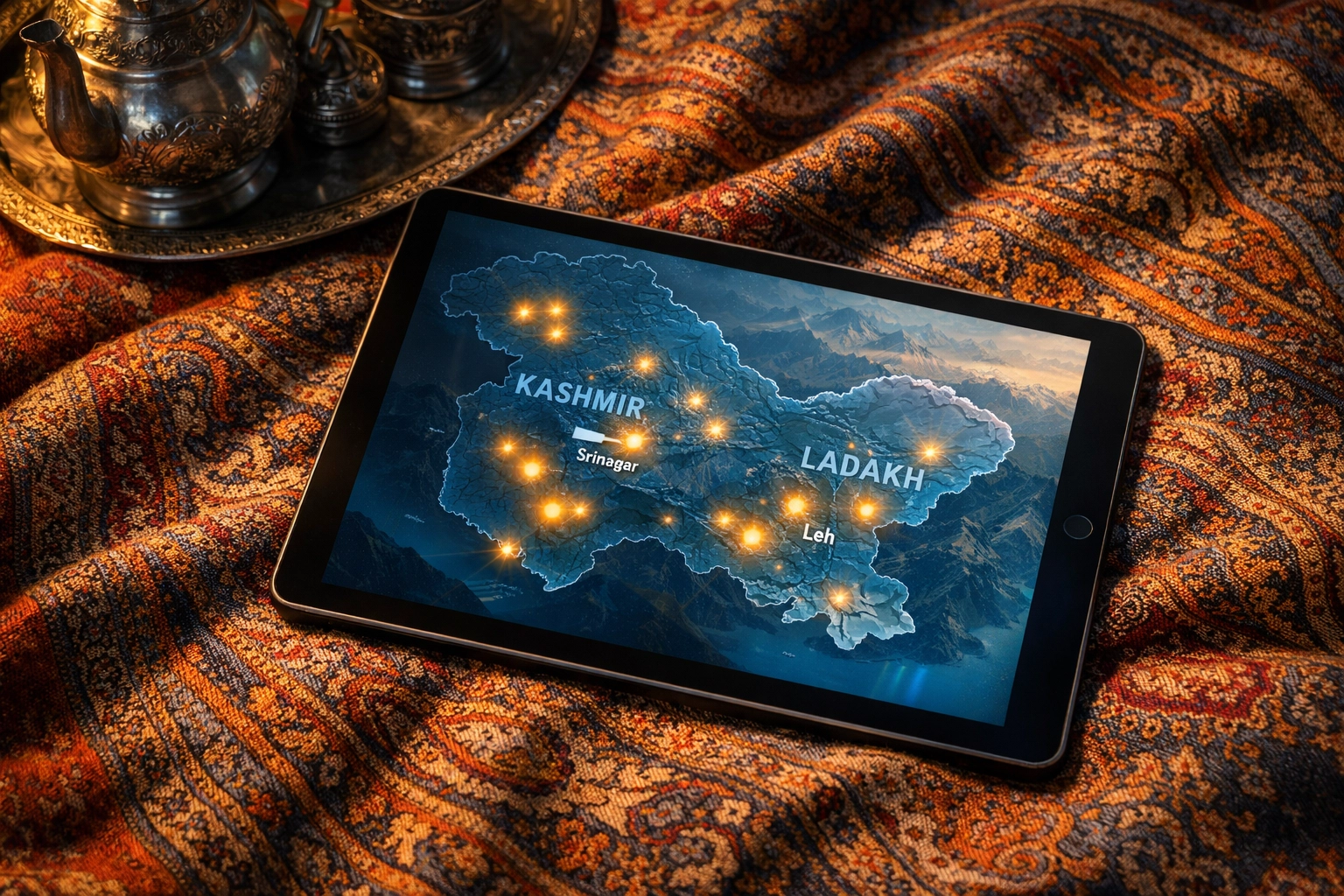
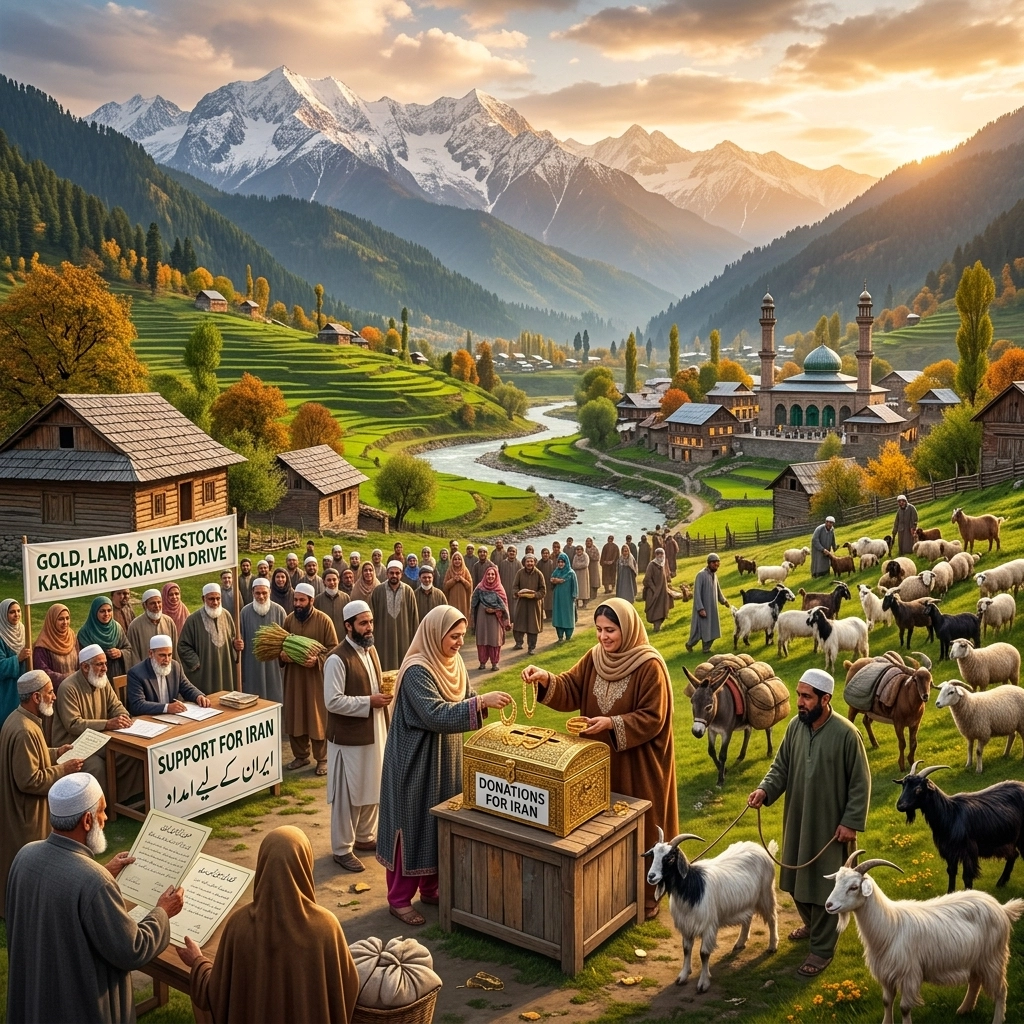
Alt-text: A visual representation of Indian politics news covering the donation drive in Kashmir.
The speed at which the funds were raised has prompted many to look at the socio-political ties between the Kashmir valley and Iran. This isn't just a financial transaction; it's a reflection of historical and cultural bonds that date back centuries.
Popular: Unconventional Donations that Shocked the Public
Standard cash donations are expected in any relief drive, but the "Kashmir for Iran" campaign broke all norms. According to reports cited in recent Indian politics news updates, the collection centers received items that tell a story of deep personal sacrifice.
Real Estate and Assets
In several villages, wealthy landowners reportedly handed over legal documents for parcels of land to be liquidated for the cause. This high-stakes philanthropy highlights the intensity of the sentiment on the ground.
Gold and Silver
Perhaps the most emotional aspect of the drive was the contribution of precious metals. Women were seen queuing up at collection centers to donate their wedding jewelry, many of which were family heirlooms. Copper utensils, which hold significant cultural value in Kashmiri households, were also donated in bulk.
Livestock and Vehicles
In rural areas of Ladakh and North Kashmir, the donations took a more practical turn.
- Livestock: Cows, sheep, and goats were handed over to local committees.
- Vehicles: Several reports mention the donation of motorcycles, cars, and even tipper trucks to be sold for fund generation.
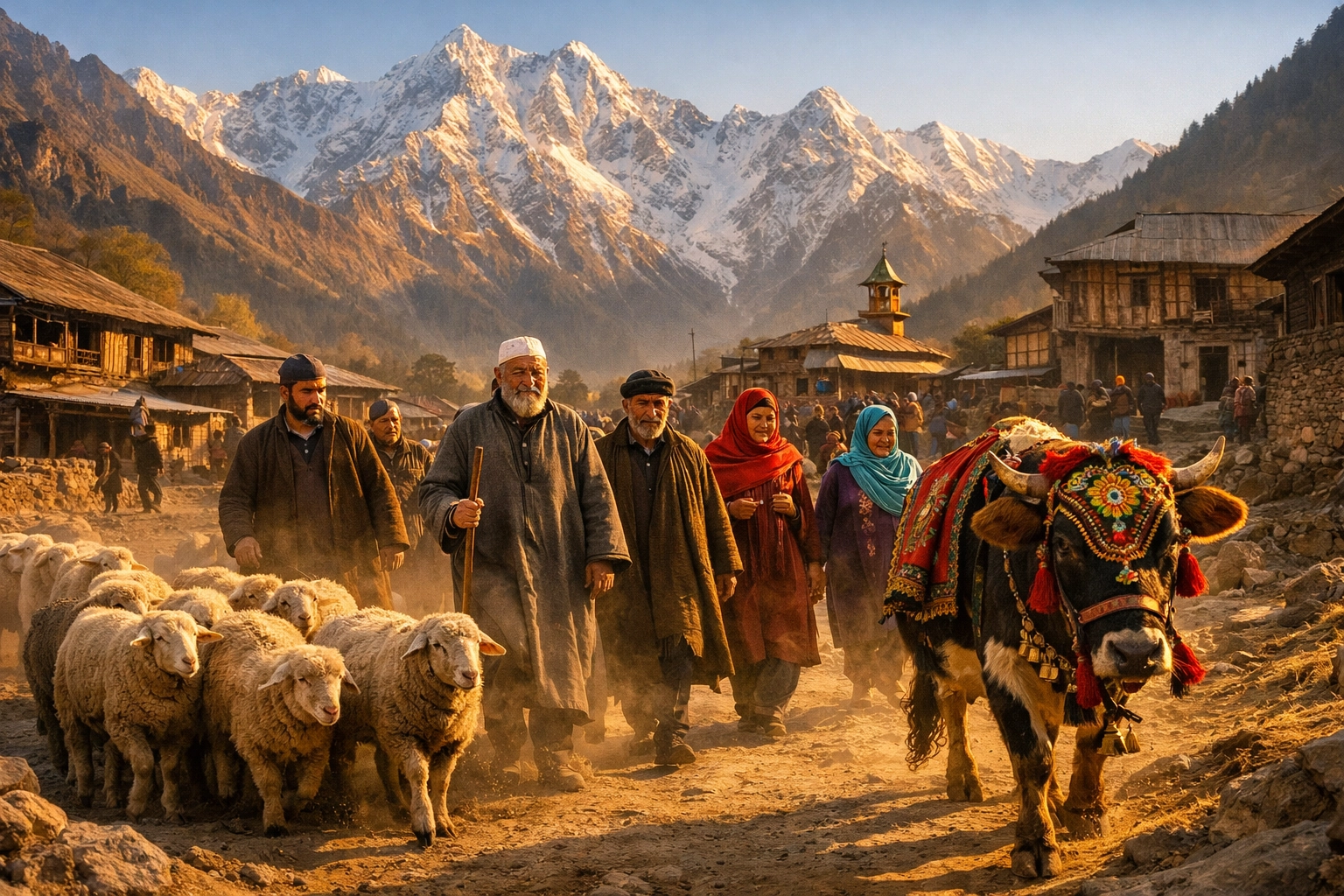
Alt-text: Villagers donating livestock as part of a humanitarian campaign.
Latest: Heartwarming Stories from the Ground
Beyond the numbers and the assets, the human stories are what truly define this movement. These anecdotes have been circulating widely across Coolblogs and other digital media outlets, showcasing the spirit of the common man.
- The Widow’s Sacrifice: A widow in Budgam donated a gold ring she had kept for 28 years in memory of her late husband. For her, this wasn't just metal; it was her most prized possession, given away to help those suffering in the Middle East conflicts.
- The Children’s Piggy Banks: Countless stories have emerged of young children breaking their "Khut" (clay piggy banks) to contribute their small savings. One eight-year-old boy reportedly donated his brand-new bicycle, stating that he couldn't enjoy it while children elsewhere were struggling to survive.
- Cross-Sectarian Unity: While the campaign had strong roots in the Shia communities, it quickly bridged religious divides. Sunni donors accounted for nearly 40-50% of contributions in several districts, proving that humanitarian crises can transcend sectarian lines.
For more insights into regional trends, you can check out the work of Vatsal on our platform.
Context: Why is Kashmir Helping Iran?
To understand this phenomenon, one must look past the current Indian politics news cycle and into history. The relationship between Kashmir and Iran is deeply rooted in the 14th century, when the Sufi saint Mir Sayyid Ali Hamadani arrived from Iran. He didn't just bring a new faith; he brought the "Karkhanas" (industries) of carpet weaving, shawl making, and wood carving that define Kashmir’s economy today.
The current solidarity stems from:
- Shared Cultural Heritage: Known as "Iran-e-Sagheer" (Little Iran), Kashmir shares linguistic and artistic similarities with Persia.
- Humanitarian Crisis: Amidst escalating conflicts in the Middle East, the people of the valley felt a moral obligation to support those affected by war and economic sanctions.
- Religious Ties: The 1979 revolution in Iran left a lasting impact on the socio-religious fabric of many Kashmiri communities.
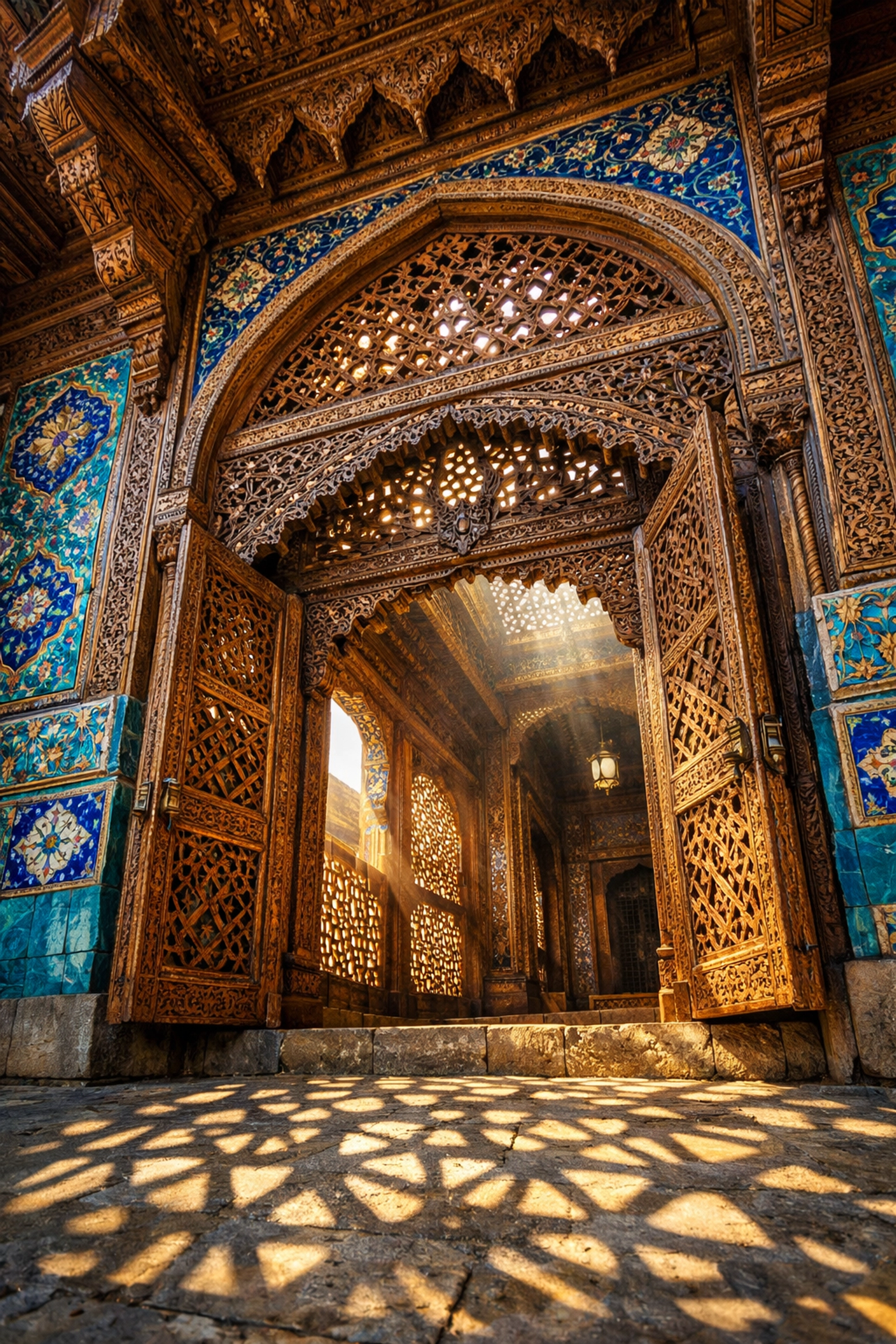
Alt-text: Historical monuments in Kashmir showcasing Persian influence.
Scrutiny and Transparency: The Investigation Phase
As with any movement involving hundreds of crores, the "Kashmir for Iran" drive has come under the scanner of national authorities. This has become a major talking point in Indian politics news over the last few days.
The National Investigation Agency (NIA) and the Enforcement Directorate (ED) are reportedly looking into the following:
- Fund Diversion: Ensuring that the money collected for humanitarian aid isn't being diverted to unsanctioned groups or activities.
- Transparency: Investigating if the organizers obtained the necessary permissions under the Foreign Contribution (Regulation) Act (FCRA).
- Potential Scams: Verifying that all donated assets, including land and gold, are being handled by legitimate entities.
Government agencies have emphasized that while humanitarian aid is noble, it must follow the legal framework of the country to ensure national security. You can read more about regulatory updates and their impact on content by following Ameesha.
Summary: A Glimpse into Global Solidarity
The donation drive in Kashmir and Ladakh is a testament to the power of community mobilization. Whether it is viewed through the lens of religious affinity, cultural history, or simple human empathy, the scale is undeniably historic.
- ₹600 Crore+ collected in a record-breaking month.
- Diverse Assets donated, including land, cars, and gold.
- High Engagement from women and children.
- Government Oversight now increasing to ensure legal compliance.

Alt-text: Indian politics news highlighting NIA and ED investigations into large-scale donations.
As the story develops, it remains to be seen how these funds will be transferred and utilized in Iran, and what the final findings of the Indian investigative agencies will be. For now, the "Gold, Land, and Livestock" drive remains one of the most talked-about events in the region.
Stay tuned to Coolblogs for more deep dives into the stories that matter! 🌍✨
More from our Experts:
- Digital Trends: Explore our latest blogs for more tech and media news.
- Graphic Insights: Check out Coolgraphics for visual storytelling tips.
- Local Perspectives: Read Hiral Shah for more on Indian regional developments.
That’s all for now! We'll keep you updated as the investigation unfolds. It’s truly wild to see how much people can achieve when they come together for a cause, right? Hope this gave you some solid insight into what’s happening on the ground! 🥰👋