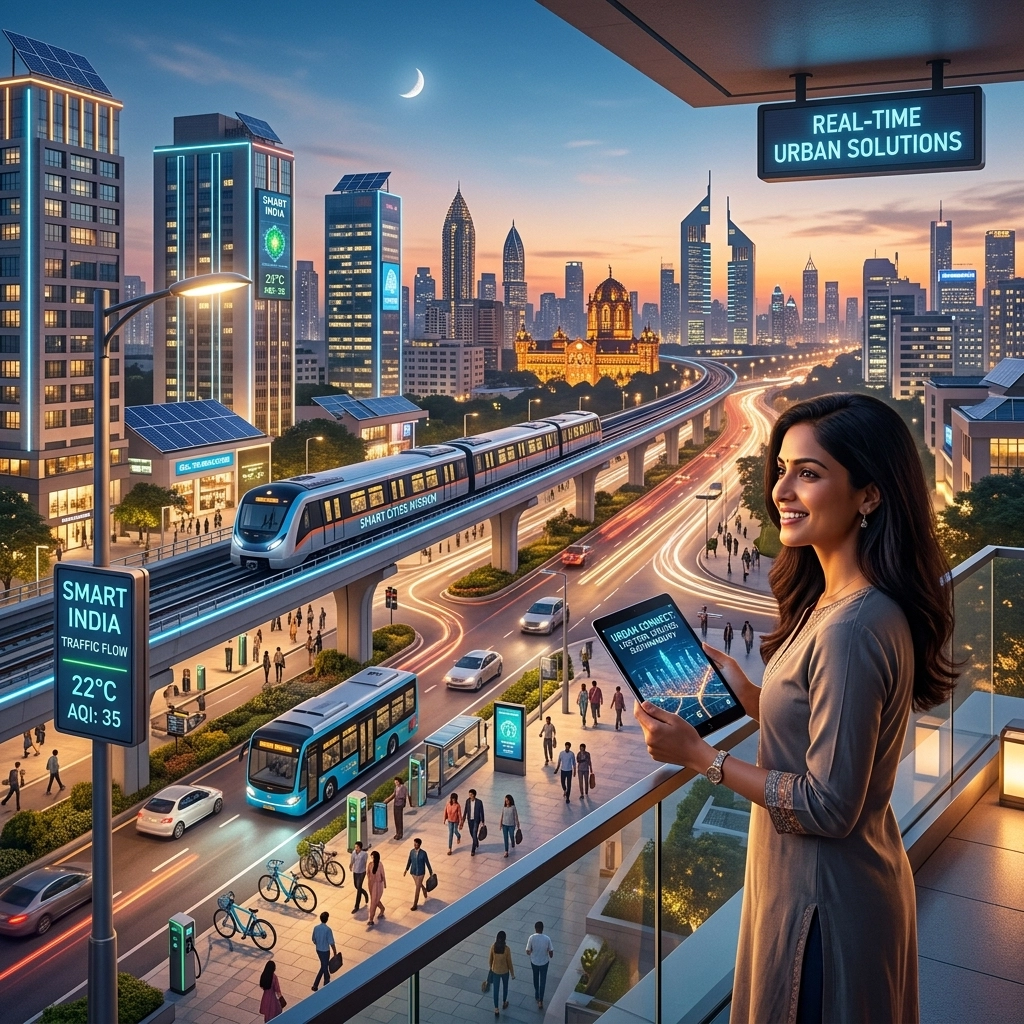
Smart city technology is no longer a futuristic buzzword found only in science fiction novels; as of April 2026, it is the backbone of urban India living. If you are residing in a major Indian metro or an emerging hub, you’ve likely noticed that the rhythm of the city is changing. The shift from "reactive" governance to "predictive" urban management is fundamentally altering how we commute, breathe, and interact with our environment.
Views: 18,402 | Published: April 9, 2026 | Category: Technology
The Great Shift: From Reactive to Predictive Cities
For decades, Indian cities operated on a reactive model. If a water pipe burst, it was fixed after the street flooded. If traffic peaked, a traffic warden was sent to manage the chaos. Today, the latest technology news highlights a massive pivot toward predictive infrastructure.
Using AI-driven data analytics, Integrated Command and Control Centers (ICCCs) now anticipate problems before they occur.
- Predictive Maintenance: Sensors in water mains detect pressure drops, alerting teams to leaks before they become bursts.
- Grid Management: AI optimizes power distribution based on real-time consumption patterns, reducing the frequency of blackouts.
- Disaster Response: Predictive modeling for urban flooding allows cities to clear drains and alert residents hours before a monsoon downpour hits.
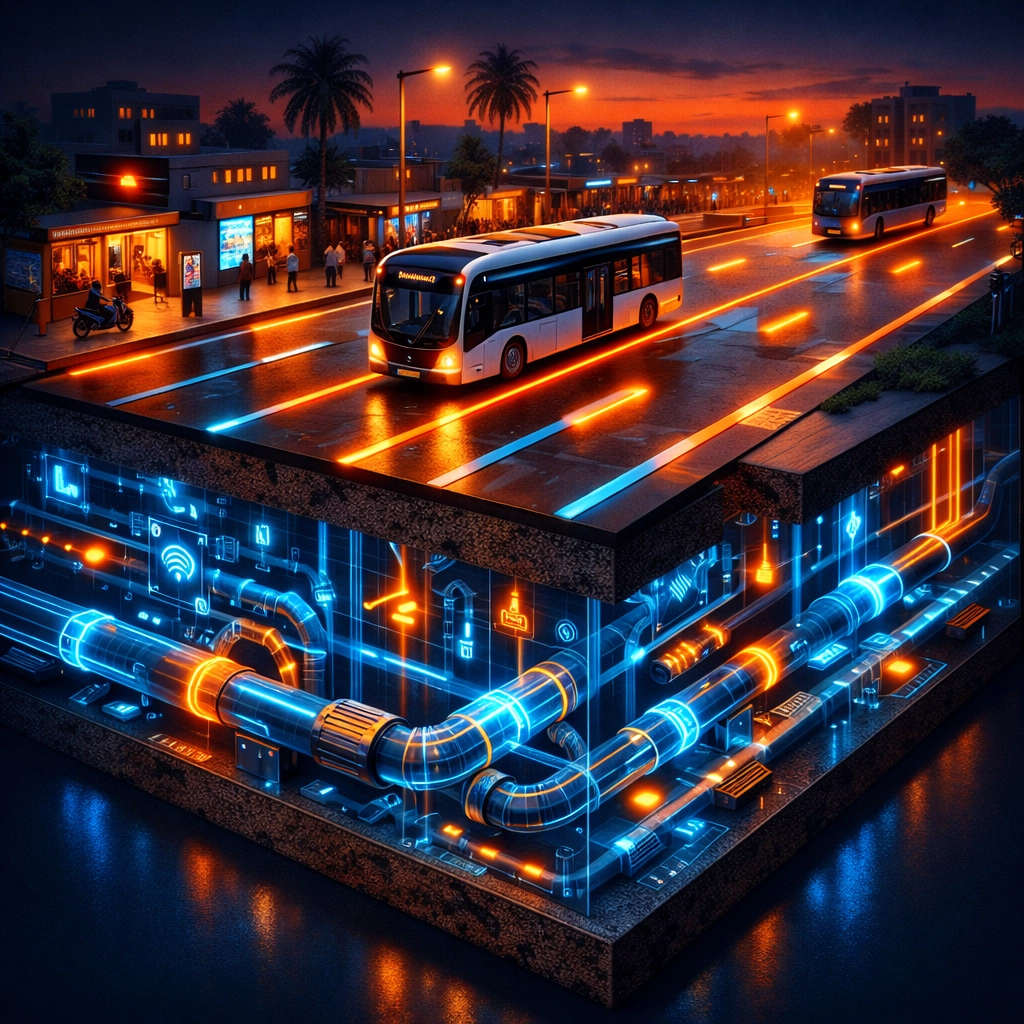
Alt-text: Smart city technology managing urban traffic and utility grids via AI.
Budget 2026: Funding Outcome-Driven Infrastructure
The Union Budget 2026 has been a game-changer for urban India living. Moving away from just "allocating funds," the government has shifted to an outcome-driven infrastructure model. This means that funding for cities is now tied directly to measurable improvements in air quality, traffic reduction, and citizen safety.
Key takeaways from the recent fiscal policy include:
- The Digital Twin Initiative: Funding for 50 more cities to create "Digital Twins": virtual replicas of cities used to test infrastructure changes before they are built.
- Green Bonds: Incentives for municipal corporations to issue bonds specifically for EV charging networks and waste-to-energy plants.
- Public-Private Data Partnerships: Encouraging startups to build apps on top of open-city data, creating a new ecosystem of BusinessTantra.
According to reports from the Ministry of Housing and Urban Affairs, this fiscal push is designed to ensure that technology serves the person on the street, not just the data scientist in the office.
Leading the Charge: Dehradun and Ranchi
While Tier-1 cities like Bangalore and Mumbai often grab the headlines, the real stars of smart city technology in 2026 are cities like Dehradun and Ranchi.
Dehradun: The Smart Green Valley
Dehradun has integrated AI into its environmental monitoring. The city’s "Smart Poles" don’t just provide Wi-Fi and LED lighting; they monitor PM2.5 levels in real-time. If air quality drops below a certain threshold in a specific sector, the city’s traffic AI automatically redirects heavy vehicles to alternate routes to mitigate localized pollution.
Ranchi: The Mobility Pioneer
Ranchi has become a case study for smart mobility. By integrating its bus transit system with a unified payment interface (UPI) and real-time GPS tracking, the city has seen a 40% increase in public transport usage. Their ICCC manages one of the most sophisticated "Smart Parking" systems in the country, reducing the time spent looking for a spot by an average of 15 minutes per trip.
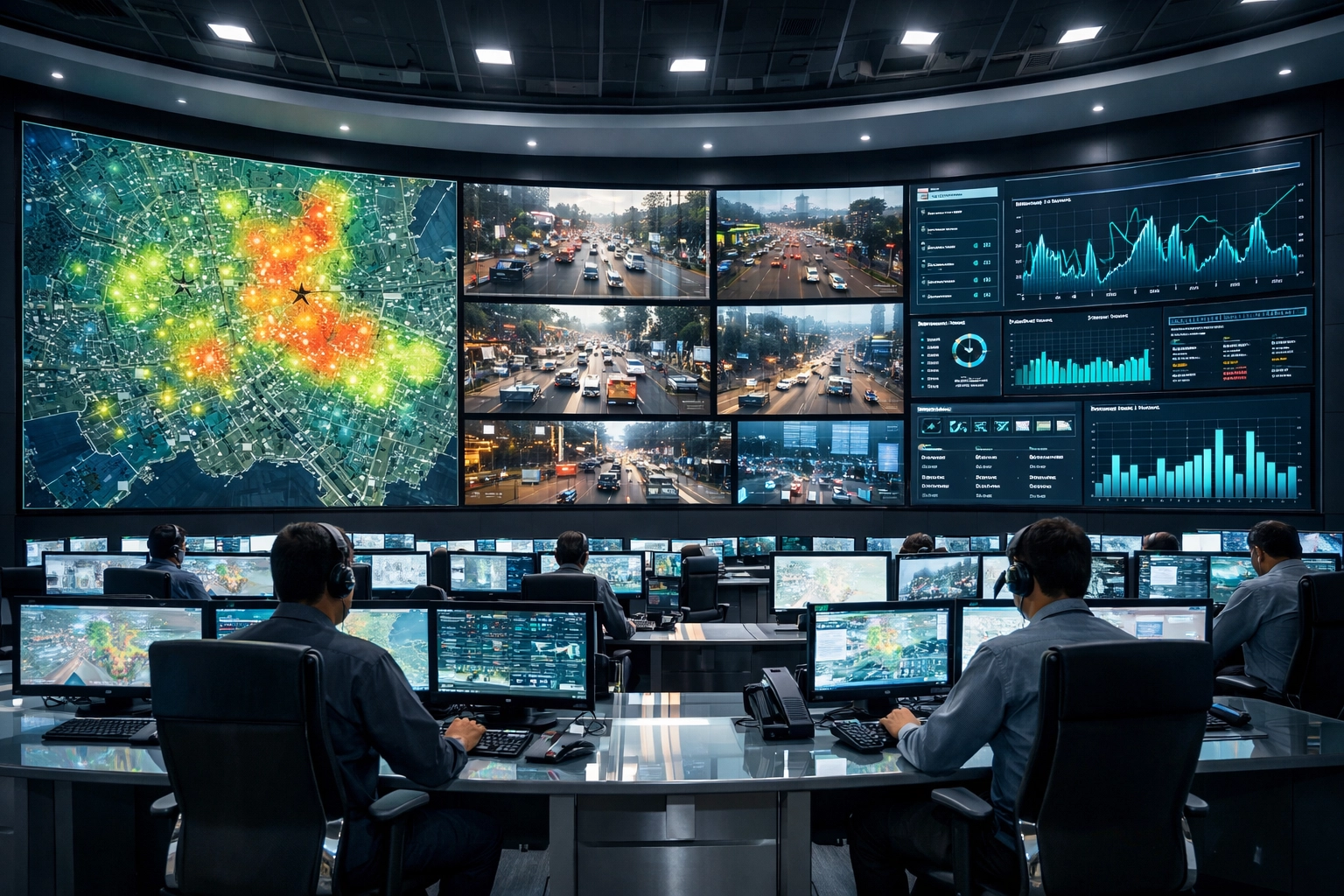
Alt-text: A modern Integrated Command and Control Center in Ranchi showing real-time data.
AI and Machine Learning in Governance
The core of the latest technology news in the urban sector is the deep integration of Machine Learning (ML). Governance is becoming "frictionless."
- Smart Traffic Management: Computer vision cameras now adjust signal timings in real-time based on vehicle density. This has drastically reduced idling time at signals, directly impacting fuel savings and carbon emissions.
- Public Safety: AI-powered surveillance can now detect "unusual patterns": such as a crowd gathering suddenly or a person falling in a public space: and alert the nearest emergency response team within seconds.
- E-Governance: Filing for building permits or birth certificates is now handled by LLM-based bots that guide citizens through the process, eliminating the need for middlemen and long queues. For more on how life is improving, check out our Acche Din section.
Smart Mobility: The EV Revolution and Beyond
Urban India living is being redefined by how we move. The "Smart" in Smart City is increasingly synonymous with "Electric."
- Unified Multimodal Integration: One single app now allows a resident in Delhi or Ranchi to book an e-rickshaw, unlock a metro gate, and rent an e-scooter.
- Smart Charging Infrastructure: AI-managed charging stations ensure that the city’s power grid isn’t overwhelmed during peak hours, offering cheaper "off-peak" charging rates to EV owners.
- Autonomous Last-Mile Delivery: In specialized zones within cities like GIFT City and certain sectors of Noida, autonomous delivery robots are now a common sight, reducing the number of delivery vans on the road.
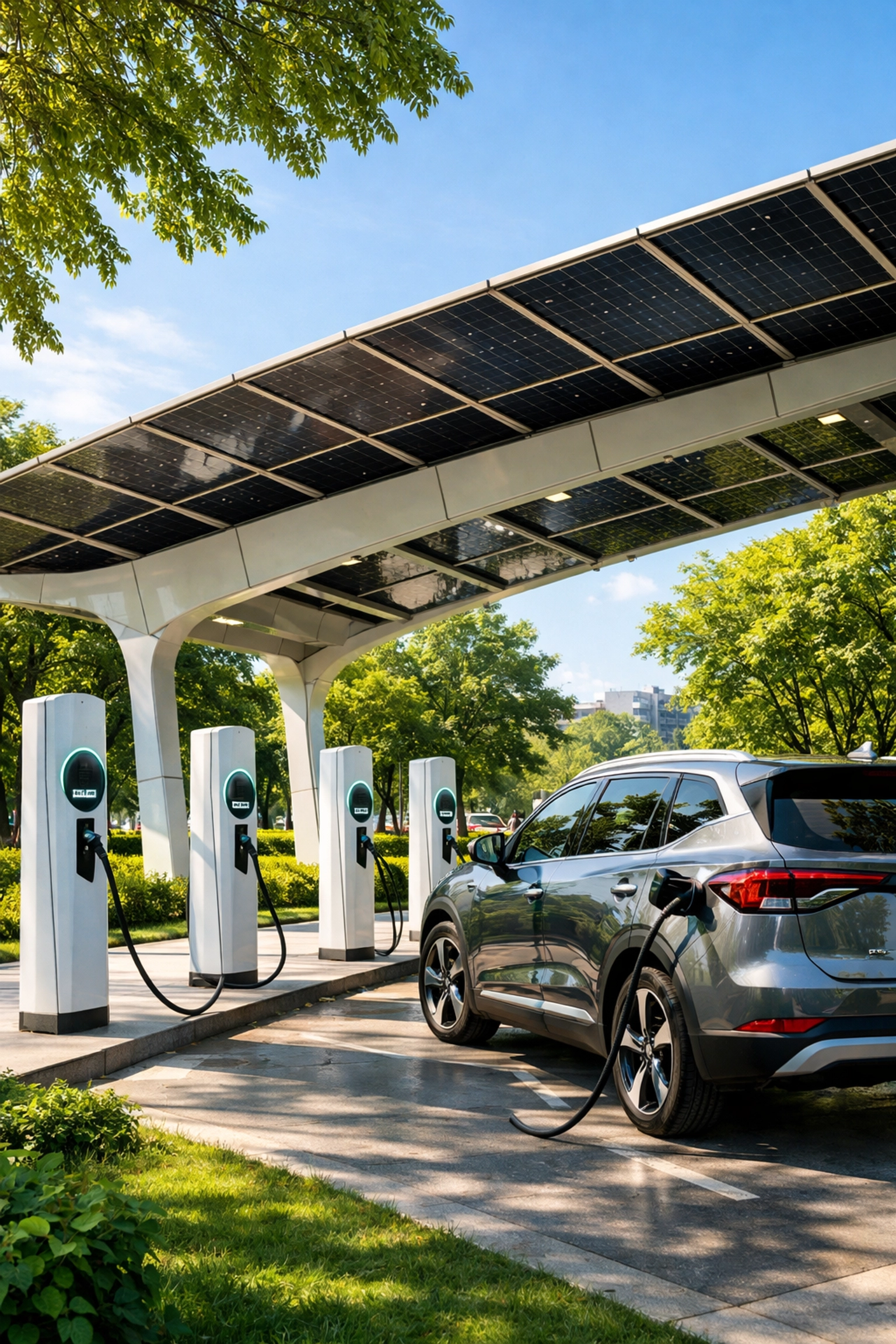
Alt-text: Electric vehicle charging stations integrated with smart city technology in India.
Healthcare and Education: The Digital Edge
The impact of smart city technology extends into the very pillars of society: health and learning.
- Digital Healthcare: Smart cities have deployed "Health ATMs" and tele-medicine kiosks in public parks and community centers. These are linked to a central electronic health record system, allowing for immediate consultation with specialists in distant metros.
- Education 4.0: Municipal schools in smart cities are now equipped with high-speed 6G connectivity and AR/VR labs. This bridges the gap between private and public education, providing world-class resources to every child regardless of their socio-economic status. You can find more updates on this in our Science and Alternative Energy section.
Recent Trending News in Urban Tech
India's First 6G Public Hotspot…
Bengaluru has officially launched the first public 6G testing zone, promising speeds that will make 5G look like dial-up. This will enable real-time holographic communication for urban planning meetings…
Smart Waste Management Success in Indore…
Indore continues its streak as India's cleanest city by implementing sensor-based bin tracking that notifies collection trucks only when a bin is 80% full, saving thousands in fuel costs…
Vertical Forests in Mumbai High-rises…
New building codes in Mumbai now mandate IoT-managed "Vertical Forests" on skyscraper facades to combat the urban heat island effect…

Alt-text: Modern urban India living with green skyscrapers and smart tech infrastructure.
Popular Now: How to Adapt to the Smart City Life
- Download the City App: Most smart cities now have a "Super App" for all utility payments and grievances.
- Register for Digital IDs: Ensure your healthcare and property records are digitized to take advantage of faster processing.
- Stay Updated: Follow the latest technology news to know when new subsidies for solar panels or EVs are announced in your area.
Latest Updates in Urban India
- New EV Subsidy 2026: Government announces a 20% cashback on home-charging station installations…
- Traffic Fines Go Automatic: AI cameras in 20 more cities to start issuing tickets for lane discipline via WhatsApp…
- Smart Parks: Dehradun opens 5 new "Smart Parks" with kinetic flooring that generates electricity as people walk…
That’s all for now on how technology is making our cities more livable! It’s an exciting time to be in India, watching our urban spaces transform into efficient, green, and high-tech hubs. Whether you're in a bustling metro or a growing city like Ranchi, the "Smart" revolution is coming to a street near you soon. Stay curious and keep exploring! 🥰
If you enjoyed this deep dive, check out more of our Cool Blogs or see what’s trending in News. Catch you in the next one! ✨