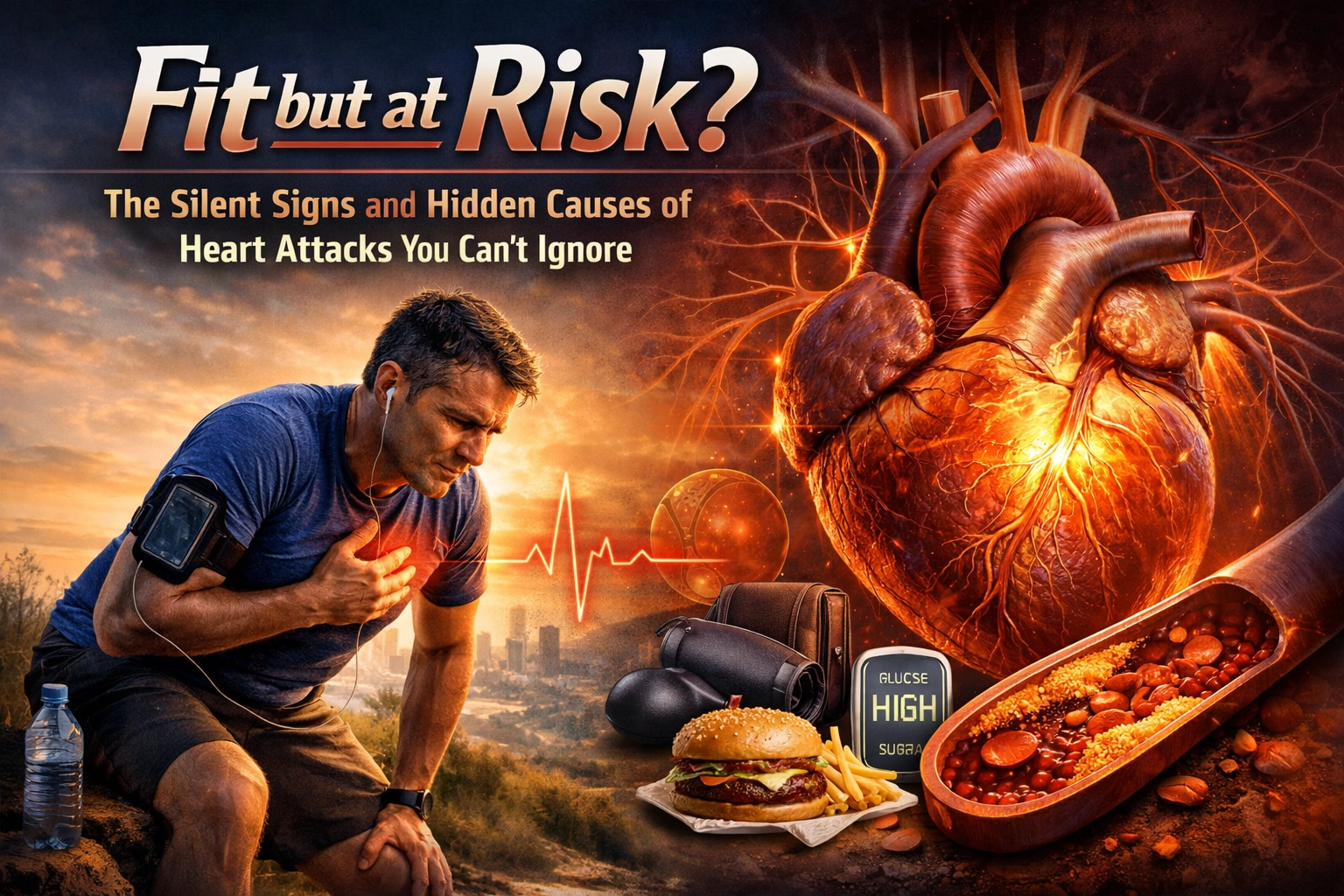
Think being "fit" is a get-out-of-jail-free card for heart disease? Think again.
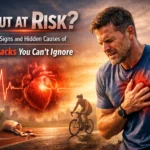
Recently, the medical community in India was shaken by the story of a 37-year-old man: someone who hit the gym regularly, maintained a healthy weight, and seemingly did everything "right": who ended up needing two heart stents. It’s a wake-up call that’s trending across health circles: fitness and health are not always the same thing.
At Coolblogs, we believe staying informed is the first step toward a long life. Today, we’re breaking down the hidden risks most of us ignore and the subtle signs of a "silent" heart attack that could save your life.
Trending: The 37-Year-Old Paradox
We often see people in their 30s and 40s who look the picture of health but are walking around with significant arterial blockages. The case of the 37-year-old professional who required emergency intervention despite a "healthy lifestyle" has brought two major hidden factors to the forefront: Lipoprotein(a) and Genetics.
The Lp(a) Factor: The "Sticky" Truth
Most of us know about LDL (bad cholesterol) and HDL (good cholesterol). But have you heard of Lipoprotein(a), or Lp(a)? This is a genetic variation of LDL that is significantly "stickier." It promotes blood clots and accelerates the buildup of plaque in your arteries. The kicker? Standard cholesterol tests often miss it, and lifestyle changes like exercise or diet have very little impact on its levels because it’s purely hereditary. For many Indians, high Lp(a) levels are a silent ticking time bomb.
Chronic Stress: The Invisible Inflamer
You might be eating salads and running 5ks, but if your cortisol levels are perpetually spiked due to work stress or lack of sleep, your heart is paying the price. Chronic stress causes systemic inflammation, which can destabilize existing plaque in the arteries, leading to sudden ruptures and heart attacks even in "fit" individuals.
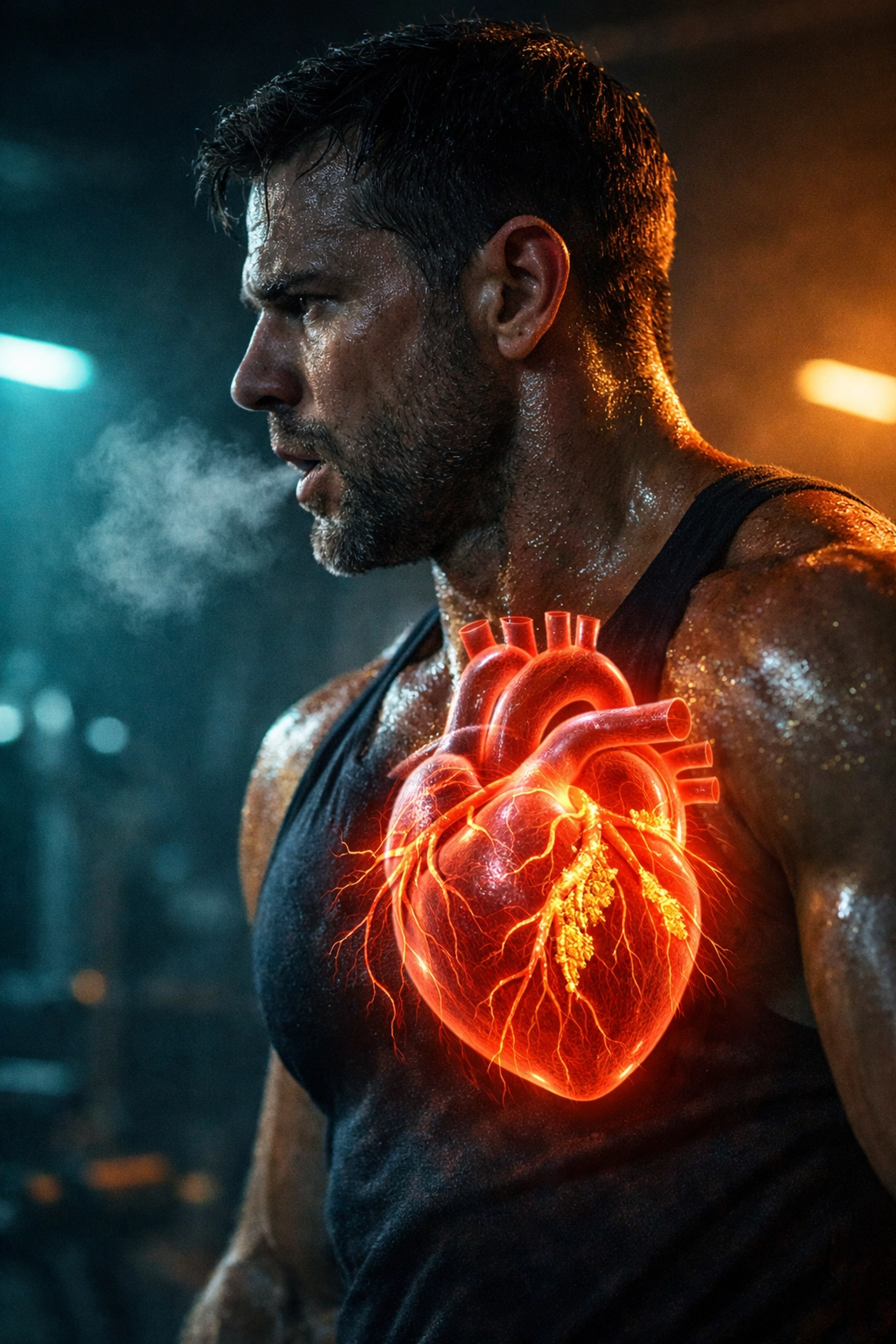
Popular: 5 Subtle Signs of a Silent Heart Attack
A "silent" heart attack (medically known as a silent myocardial infarction) accounts for nearly 20% to 50% of all heart attacks. It doesn’t always look like the dramatic, chest-clutching scenes we see in movies. Instead, it whispers.
If you experience these five symptoms, don't just "walk it off."
1. Unexplained Fatigue
We’re all tired, right? But this is different. If you suddenly find yourself exhausted by simple tasks: like carrying groceries or walking to your car: it could be your heart struggling to pump blood. This fatigue often feels like a heavy, flu-like malaise that doesn't go away with rest.
2. Shortness of Breath
If you’re feeling winded while sitting still or doing light activity, your lungs might be trying to tell you that your heart isn't efficiently circulating oxygenated blood. This is one of the most common signs people mistake for "just getting older" or "being out of shape."
3. Dizziness or Lightheadedness
A sudden drop in blood pressure or a change in heart rhythm can make you feel faint. While it could be dehydration, persistent bouts of dizziness, especially when paired with other symptoms on this list, warrant a trip to the doctor.
4. Vague Chest Discomfort
A silent heart attack doesn't always "hurt." It might feel like a dull ache, a sensation of fullness, or even a strained muscle in your chest. Many people mistake this for indigestion or acid reflux. If the "heartburn" doesn't respond to antacids, it might not be your stomach.
5. Sudden Anxiety
There is a documented phenomenon where patients feel a "sense of impending doom" before or during a cardiac event. This isn't just mental: it's a physiological response to the body's distress. If you’re feeling uncharacteristically anxious and "off," listen to your gut.

Latest: Healthy Lifestyle Tips to Repair Your Vessels
While you can't change your genetics, you can certainly give your heart a fighting chance. Incorporating specific "power foods" into your diet can help reduce blockages and repair blood vessel linings.
According to recent health insights, here are five foods you should be eating:
- Oats and Barley: Packed with beta-glucan, a soluble fiber that binds to cholesterol in the digestive tract and drags it out of the body…
- Berries: Blueberries and strawberries are rich in anthocyanins, which help dilate blood vessels and reduce inflammation…
- Fatty Fish: Salmon and mackerel provide Omega-3 fatty acids that lower triglycerides and prevent rhythm irregularities…
- Walnuts: These are the "king" of nuts for heart health, providing alpha-linolenic acid to support arterial elasticity…
- Leafy Greens: Spinach and kale are high in nitrates, which help manage blood pressure and reduce arterial stiffness…
For more deep dives into wellness, check out our Health is Wealth section.
News Wrap-up: What Else is Happening?
While we focus on health, the world keeps moving. Here are some of the top stories from March 26, 2026, that you might have missed:
Technology & Gadgets
- Samsung Galaxy S26 First Impressions: The tech world is buzzing with the release of the S26. Early reviews suggest the new "AI-Lens" is a game-changer for mobile photography…
- Realme 16 Launch Confirmed: Budget-conscious techies, mark your calendars. Realme has officially confirmed the launch date for the 16 series, promising 200W charging…
Environment & Economy
- World Air Quality Report 2026: A sobering update shows that 10 of the world’s most polluted cities are still concentrated in South Asia, highlighting the urgent need for green energy transitions. Speaking of energy, check out our insights on Alternative Energy.
- Fuel Prices Today: Petrol and diesel rates in Delhi, Mumbai, and Bengaluru remain steady this Thursday, though global LPG cargo shifts from Iran to India may impact future pricing…

Pro-Active Steps: Your Action Plan
Don't wait for a "silent" sign to become a loud emergency. Here’s what the experts recommend for anyone: regardless of their fitness level:
- Get an Advanced Lipid Profile: Ask your doctor specifically for an Lp(a) test and an ApoB test. These provide a much clearer picture of your cardiac risk than a standard cholesterol panel.
- Monitor Your Blood Pressure: It’s called the silent killer for a reason. Keep a log at home.
- Prioritize Sleep: Aim for 7-8 hours. Sleep is when your cardiovascular system repairs itself.
- Know Your History: If your father or brother had a heart attack before 55, or your mother or sister before 65, you are at significantly higher risk.
Stay updated with the latest in Digital Media and News to keep your finger on the pulse of what matters.
That’s all for now! We know this stuff can be a bit scary, but knowledge really is power. Take a deep breath, maybe swap that afternoon cookie for some walnuts, and take care of that heart of yours. It’s the only one you’ve got! 🥰
If you found this helpful, why not share it with a friend who spends a little too much time at the gym and not enough time at the doctor?
Stay cool and stay healthy!
The Coolblogs Team
Looking for more? Check out our latest Life tips or grab a laugh in our Jokes section!