Views: 10.5k | Published: March 26, 2026
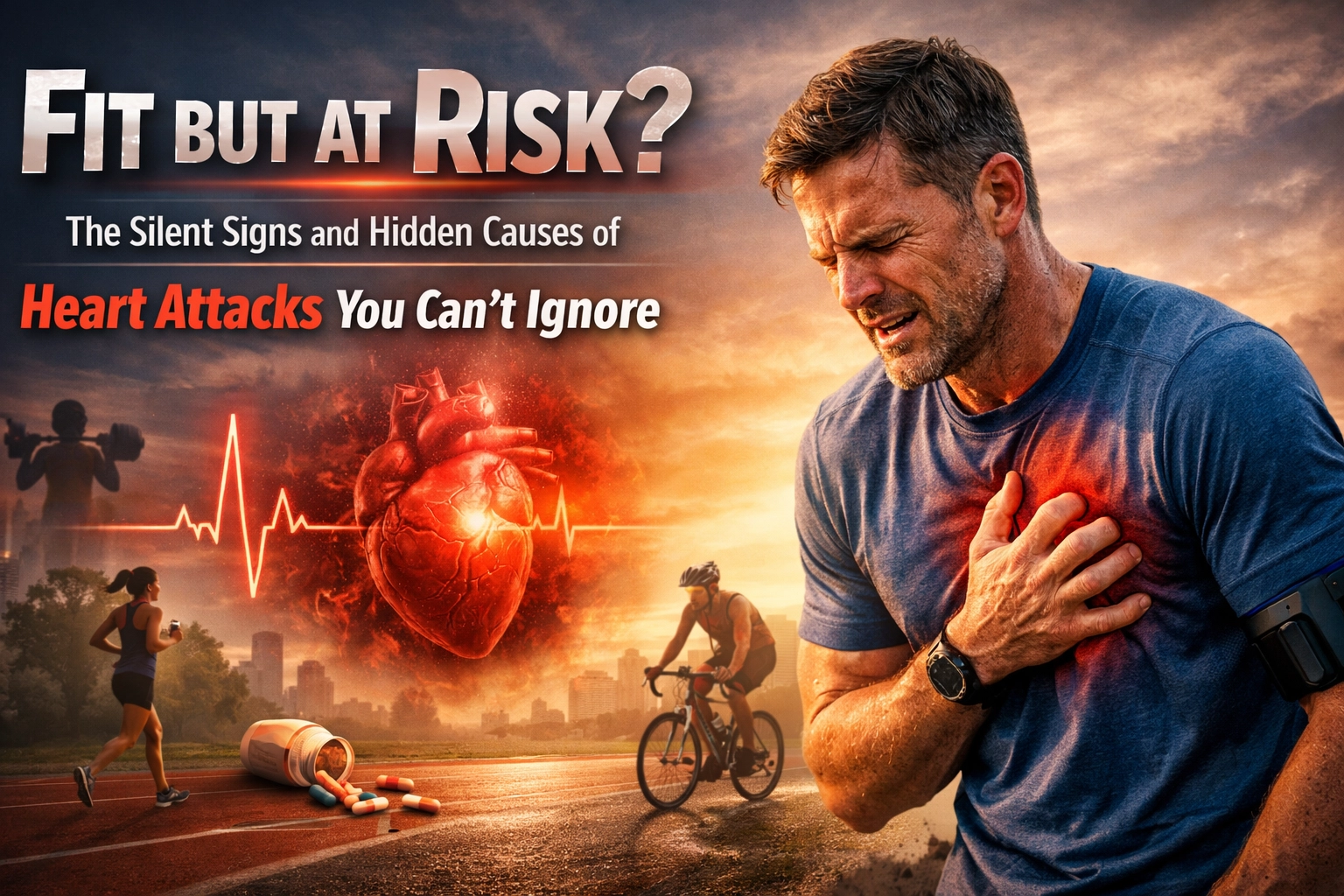
Healthy lifestyle tips often suggest that if you hit the gym daily, eat your greens, and maintain a low BMI, you are effectively "heart-attack proof." However, the medical community is witnessing a startling rise in cardiovascular events among the seemingly fittest populations. A 37-year-old man, a marathon runner with a clean diet and no history of smoking, recently made headlines after requiring emergency heart stents. This case highlights a dangerous reality: fitness does not always equal immunity. While traditional markers like LDL cholesterol remain important, hidden genetic factors and silent symptoms are often overlooked until it is too late.
Trending: The Hidden Science of Heart Risks
The narrative surrounding cardiovascular health is shifting toward a deeper understanding of genetics and internal stressors that bypass standard fitness metrics.
The Lp(a) Factor: The Genetic "Ticking Time Bomb"
Lipoprotein(a), or Lp(a), is a type of protein that carries cholesterol in the blood. Unlike standard LDL, Lp(a) levels are almost entirely determined by genetics rather than diet or exercise. High levels of Lp(a) can lead to the accumulation of plaque in the arteries even in individuals following rigorous healthy lifestyle tips. Research indicates that one in five people globally has high Lp(a) levels, significantly increasing their risk of early-onset heart disease. Because standard lipid panels often omit this test, many fit individuals remain unaware of their vulnerability…
Chronic Stress and the "Fit" Professional
Modern work environments have introduced a level of chronic, low-grade stress that physical exercise cannot always neutralize. For the high-achieving 30-something, the physiological impact of cortisol and adrenaline can lead to arterial inflammation. This inflammation acts as a catalyst for plaque rupture, the primary cause of sudden heart attacks in young, active people. The assumption that a morning run cancels out ten hours of high-stakes stress is a misconception that many are paying for with their health…
The Rise of Non-Traditional Risk Factors
While we often focus on smoking and obesity, emerging data from The American Heart Association suggests that environmental factors and sleep deprivation are playing a larger role in cardiac events than previously thought. Air quality and noise pollution have been linked to increased heart rate variability issues, even in those who maintain an active outdoor lifestyle.

Alt text: healthy lifestyle tips for heart health awareness
Popular: Why Healthy Lifestyle Tips Aren't Always Enough
When we talk about healthy lifestyle tips, the conversation usually ends at "eat less, move more." But for those with underlying genetic predispositions, this advice is only one piece of the puzzle.
The Limitation of Standard Screenings
Most routine check-ups focus on blood pressure and basic cholesterol. However, for a 37-year-old athlete, these numbers might appear perfect while an underlying blockage is forming. Advanced diagnostics, such as Calcium Scoring or CT Coronary Angiography, are rarely recommended for "fit" individuals unless they show symptoms. This creates a gap in preventative care where the most active individuals are the least likely to be screened…
Understanding the "Athlete's Heart" Paradox
Extreme endurance training can sometimes lead to structural changes in the heart, such as atrial fibrillation or myocardial fibrosis. While moderate exercise is the gold standard for cardiovascular health, the "more is always better" mentality can occasionally backfire. Finding the balance between peak performance and long-term cardiac safety is becoming a top priority for sports cardiologists…
- Quick News Bit: New studies show that 20-50% of all heart attacks are "silent," meaning the victim doesn't realize it's happening until the damage is done… Read more at our News section
- Trend Alert: Wearable tech is now being programmed to detect "Lp(a)" risk patterns through long-term heart rate monitoring… Check out the latest technology

Alt text: healthy lifestyle tips including advanced heart screening
Latest: 5 Subtle Signs of a Silent Heart Attack
A silent heart attack (silent myocardial infarction) occurs when the blood flow to the heart muscle is severely reduced or cut off, but the classic "crushing chest pain" is absent. Recognizing these five subtle signs is crucial for everyone, regardless of fitness level.
1. Unexplained Fatigue
This isn't just the tiredness you feel after a long day at the office or a hard workout. It is an overwhelming sense of exhaustion that makes simple tasks feel impossible. If you find yourself needing to sit down after climbing a single flight of stairs: something you usually breeze through: it could be a sign that your heart is struggling to pump oxygenated blood…
2. Shortness of Breath
Shortness of breath that occurs during minimal physical activity or even while resting is a major red flag. In fit individuals, this is often dismissed as "getting older" or "having an off day." However, it is one of the most common precursors to a major cardiac event. If your breathing feels labored for no apparent reason, it’s time to seek medical advice…
3. Dizziness or Lightheadedness
Feeling faint or suddenly dizzy can be caused by many things, including dehydration. But if it occurs in conjunction with other symptoms or happens repeatedly during light exertion, it may indicate a drop in blood pressure caused by a weakening heart muscle. Persistent lightheadedness should never be ignored by those following active life styles…
4. Vague Discomfort (The "Indigestion" Trap)
Many people who have survived silent heart attacks report feeling a vague sense of discomfort in the upper abdomen, neck, or jaw. This is often mistaken for acid reflux, a pulled muscle, or a toothache. Because it doesn't feel like "heart pain," patients wait hours or days to get checked, allowing permanent damage to occur to the heart tissue…
5. Sudden Anxiety or a "Sense of Doom"
The body often knows something is wrong before the mind does. A sudden, unexplained surge of anxiety or a feeling that something is "off" can be a physiological response to a cardiac struggle. This "sense of impending doom" is a documented symptom in many emergency room cases and should be treated with the same seriousness as physical pain…

Alt text: healthy lifestyle tips for recognizing silent heart symptoms
Diagnostic Tools and Next Steps
If you are fit but concerned about your risk, consider the following steps:
- Request an Lp(a) Test: A one-time blood test that could save your life.
- Monitor Stress Levels: Use mindfulness and recovery as seriously as your workouts.
- Know Your Family History: Genetics trumps the gym every time.
- Get a Calcium Score: If you are over 35 and have a family history, this scan is a game-changer.
To stay updated on the latest health breakthroughs and world news, make sure to visit our blogs frequently. Understanding your body goes beyond just the surface level of fitness; it requires a proactive approach to internal health.
That's all for now! Stay safe and keep listening to your heart. 🥰