Views: 18,245 | Published: Thursday, 23 of April 2026
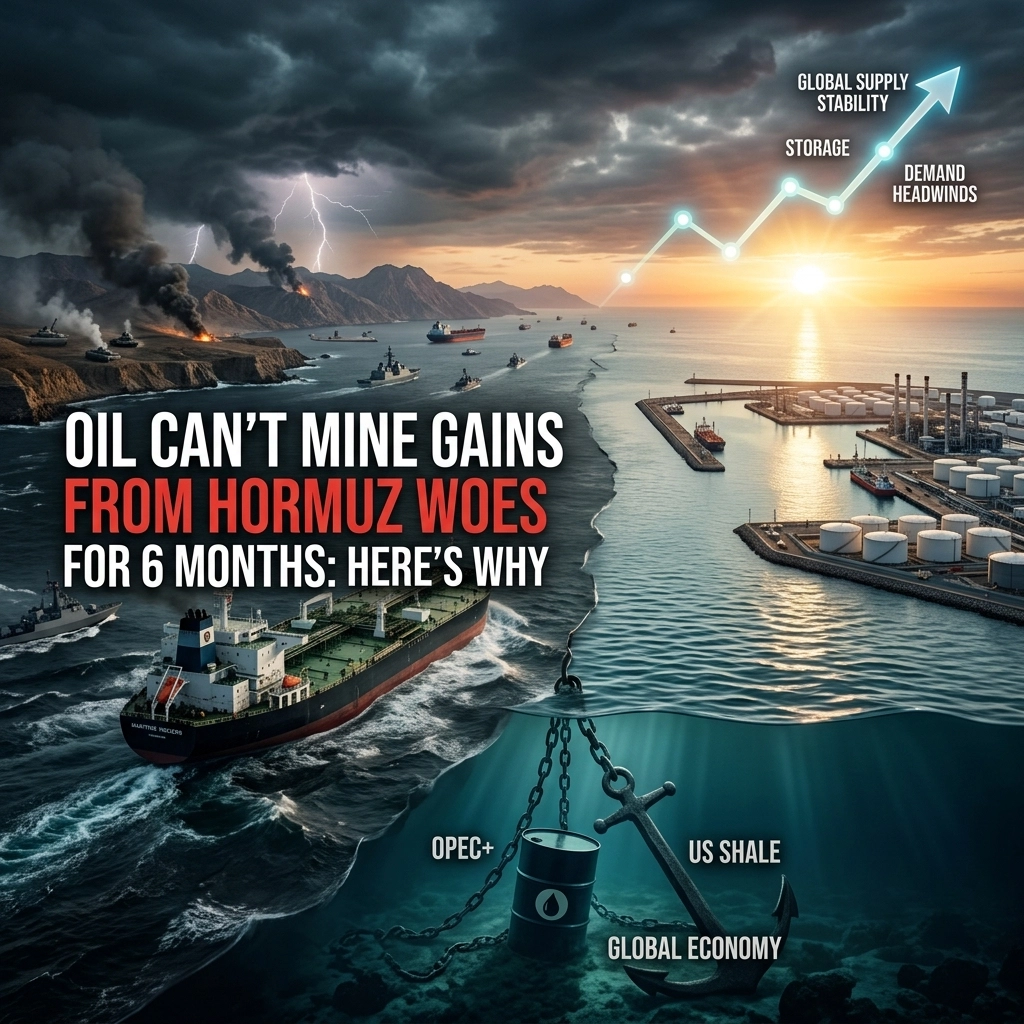
The Strait of Hormuz oil disruption has become the focal point of global energy markets this week, but the financial "gains" many speculators expected are proving elusive. While geopolitical tension typically sends crude prices into a profitable frenzy, the current stalemate in the Persian Gulf is different. The Pentagon’s recent briefing to Congress has sent a chilling message: the waterway could remain effectively impassable for at least six months.
For traders looking to capitalize on the Strait of Hormuz oil disruption, the reality of 2026 is far more complex than a simple supply-and-demand spike. The deployment of sophisticated naval mines has created a logistical nightmare that prevents a "business as usual" approach to energy speculation.
Trending: The Six-Month Stalemate
The primary reason the market cannot "mine" gains from this crisis is the timeline. General maritime recovery doesn't happen overnight, especially when the obstacles are invisible.
Why 180 Days?
- The Mine Factor: Iran has allegedly deployed over 20 sophisticated naval mines equipped with GPS-stealth technology.
- The Clearance Bottleneck: The U.S. Navy has indicated that clearing these hazards requires a methodical approach involving specialized drones and deep-sea divers.
- Unlocatable Threats: Reports suggest that even the deploying forces may have lost track of certain "drifting" units, extending the safety verification period…
This prolonged timeline means that the Strait of Hormuz oil disruption isn't just a temporary shock; it is a fundamental shift in regional technology and security. Markets thrive on volatility that resolves, but they stagnate under permanent uncertainty.

Alt-text: A conceptual map showing the Strait of Hormuz oil disruption and maritime blockades.
Latest: The Failure of the "Price Spike" Logic
In previous decades, a threat to the Strait: which carries 20% of the world's oil and LNG supply: would lead to immediate, sustained profit for energy holders. In April 2026, the mechanics have changed.
The Supply Chain Shock
The sheer scale of the disruption has caused a "systemic freeze" rather than a price rally. With 55 Chinese-flagged vessels currently trapped inside the Persian Gulf, the global supply chain is experiencing a heart attack. When the heart stops, the blood doesn't just get more expensive; it stops moving entirely.
- Maritime Standstill: Traffic has plummeted to just 8% of its normal volume.
- Insurance Spikes: War-risk premiums have reached levels that make shipping economically unviable, regardless of the oil price.
- Alternative Routes: Pipelines across Saudi Arabia and the UAE are at 110% capacity, leaving no room for "extra" gains…
For more on how global shifts are affecting trade, visit our world news section.
Popular: Technology vs. Recovery
The reason the Strait of Hormuz oil disruption will persist for half a year lies in the tech. We are no longer dealing with simple contact mines from the 1980s.
High-Tech Blockades
Modern mines are designed to remain dormant until specific acoustic signatures are detected. This means the U.S. 5th Fleet cannot simply "sweep" the area. They must identify every individual unit.
- Acoustic Signature Detection: Mines that only trigger for specific hull types.
- GPS Geofencing: Mines that reposition themselves based on current patterns.
- Submerged Drones: Mobile hazards that change the "safe zone" every 24 hours.
This high-tech hurdle is covered extensively in our latest technology updates, where we analyze how autonomous warfare is rewriting the rules of maritime trade.

Alt-text: Specialized naval drones used to combat the Strait of Hormuz oil disruption.
Why "Gains" Are Being Eroded
Investors often forget that "gains" in oil require a buyer on the other end. With the current Strait of Hormuz oil disruption, the buyers: specifically in East Asia: are looking elsewhere.
- China’s Pivot: With 55 ships stuck, Beijing is aggressively accelerating its land-based energy imports from Central Asia.
- LNG Stagnation: It’s not just oil; the flow of Liquefied Natural Gas has halted, forcing European markets to burn coal or rely on domestic reserves.
- The "Fear" Discount: Paradoxically, the 6-month certainty of "no passage" has allowed markets to price in the disaster, removing the volatile "surprise" element that traders use to make quick profits…
If you are looking for more news regarding the economic impact, check out our live tracker.
Recent News Snippets
Assam and Puducherry Voting Concludes
While the world watches the Middle East, domestic politics continue. Voting has officially closed in several key regions. The impact of energy prices on local voters remains a top concern for the coming weeks…
Oil Prices See "Ghost Volatility"
Despite the physical blockage, paper trading of oil shows "ghost volatility": rapid moves with zero volume. This suggests that the Strait of Hormuz oil disruption has decoupled the physical commodity from its financial derivative…
Hormuz Woes Impact Food Security
The blockage isn't just about fuel. Fertilizer shipments are stuck, leading to concerns in the food and health sectors. A 6-month delay could mean a missed planting season for millions…
The 6-Month Outlook
The consensus among naval experts and energy analysts is clear: do not expect a "victory" for oil prices. The Strait of Hormuz oil disruption is a logistical trap. The clearing process involves:
- Phase 1 (Month 1-2): Identification and tagging of active minefields.
- Phase 2 (Month 3-4): Neutralization of GPS-enabled mobile units.
- Phase 3 (Month 5-6): Commercial escort trials and safety certification.
Until these phases are complete, the "oil gains" are nothing more than paper illusions. The supply chain is too brittle to support a sustained rally when the primary artery of the industry is severed.

Alt-text: A timeline graphic of the 6-month recovery plan for the Strait of Hormuz oil disruption.
Summary of the Situation
The current crisis underscores a new reality in 2026: geopolitical disruptions are longer, more technical, and less profitable for traditional investors. The Strait of Hormuz oil disruption is the ultimate proof that some blockages are too deep to "mine" for gold.
- Key Takeaway: Clearance takes 6 months due to GPS-mine complexity.
- Global Impact: 20% of daily energy supply remains at a standstill.
- Market Reality: High insurance and lack of shipping volume negate price gains.
For more information about our team and how we cover these stories, check out the about us page or visit our home for the latest updates.
That’s all for now on the energy front! It’s a wild time in the markets, and staying informed is the only way to keep your head above water (or oil!). We’ll keep you posted as the Pentagon releases more updates on the clearance mission. Stay safe and keep scrolling! 🥰✨
Load More…
Subscribe to our Newsletter…